
Luxury Interior Designers in Bangalore: Crafting Luxurious Living Experiences
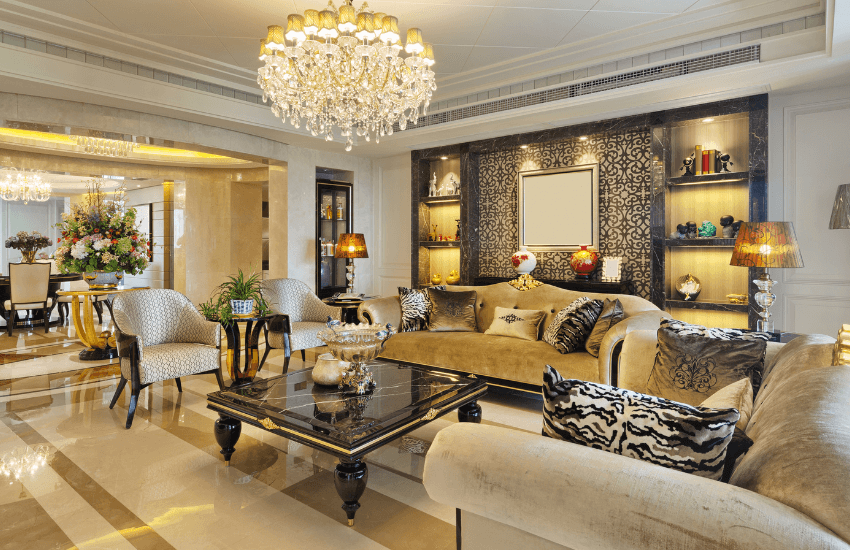
Luxury is no longer defined simply by lavish decoration or expensive materials. Contemporary luxury is more nuanced. It is expressed through proportion, craftsmanship, comfort, personalization, and the seamless integration of beauty with everyday functionality. A luxurious home should feel effortless, sophisticated, and distinctly personal.
For homeowners seeking to create such an environment, luxury interior designers in bangalore can bring together architectural sensitivity, material expertise, spatial planning, and creative vision to produce residences that feel both opulent and remarkably livable.
Understanding Modern Luxury Interiors
Luxury interior design begins with an understanding of how a space should feel rather than simply how it should look. A sophisticated interior may use restrained colors, tactile materials, sculptural furniture, and carefully controlled illumination instead of relying on excessive ornamentation.
The distinction is subtle.
Luxury is often found in the details.
A precisely crafted cabinet, a beautifully proportioned doorway, a seamless transition between flooring materials, or a perfectly positioned light fixture can have greater visual impact than a room filled with decorative objects.
The result is an environment where every element appears intentional.
Bangalore’s Evolving Luxury Landscape
Bangalore has a diverse residential environment that includes upscale apartments, expansive villas, independent residences, and contemporary penthouses. As homeowners increasingly seek personalized spaces, luxury interiors have evolved beyond conventional notions of grandeur.
Modern residences often combine sophisticated aesthetics with technology, sustainability, and practicality. Natural materials may coexist with smart-home systems, while custom furniture can be integrated with concealed storage and architectural lighting.
This fusion creates interiors that feel contemporary without becoming excessively theatrical.
Personalization at the Heart of Luxury
True luxury is inherently personal. A residence should reflect the lifestyle, preferences, routines, and aspirations of its occupants.
A designer may begin by understanding how the household uses each room. Do residents entertain frequently? Is there a preference for quiet reading spaces? Does the kitchen function as a social hub? Are art collections or travel souvenirs important elements of the home?
These details can inform the design vocabulary.
Instead of imposing a predetermined aesthetic, the designer can create a tailored composition that reflects the personality of the household.
That is what makes a luxury residence feel authentic rather than staged.
The Art of Material Selection
Materials are among the defining components of a luxurious interior. Natural stone, premium timber, textured fabrics, metal finishes, glass, and handcrafted surfaces can create layers of visual and tactile richness.
However, successful material selection depends on balance.
Pairing too many elaborate finishes can make a space visually cacophonous. A restrained palette, on the other hand, allows individual materials to receive greater attention.
For instance, a dramatic stone surface can become a focal point when surrounded by quieter finishes. Similarly, richly textured upholstery can add warmth to an otherwise minimalist room.
Contrast creates sophistication.
Bespoke Furniture and Craftsmanship
Custom furniture can elevate a luxury interior by allowing pieces to respond precisely to the architecture. Instead of adapting the room around standard furniture dimensions, bespoke elements can be designed according to the proportions of the space.
Custom cabinetry, built-in wardrobes, sculptural tables, upholstered seating, and specialized storage can all contribute to a more cohesive result.
Craftsmanship matters enormously here. Fine joinery, accurate detailing, durable finishes, and meticulous installation can distinguish genuinely sophisticated interiors from superficial imitations of luxury.
The beauty is often in what is barely noticed.
Lighting as a Luxury Feature
Lighting is one of the most powerful tools available to an interior designer. It can emphasize textures, establish mood, create focal points, and alter the perceived scale of a room.
Luxury interiors frequently benefit from layered illumination. Ambient lighting establishes general brightness, task lighting supports specific activities, and accent lighting highlights artwork or architectural features.
Indirect illumination can also create a refined atmosphere by allowing surfaces to glow rather than exposing every light source.
During the day, natural light remains equally important. Window treatments, reflective surfaces, and spatial orientation can be coordinated to maximize daylight while preserving privacy.
Grand Living Spaces With Intimate Comfort
Large living rooms can be impressive, but scale must be handled carefully. Oversized spaces can feel impersonal when furniture is scattered without a clear composition.
Strategic zoning can solve this problem. A large room might contain a primary conversation area, a reading corner, an art display, or a discreet entertainment zone.
Rugs, lighting, furniture groupings, and ceiling treatments can subtly define these areas without constructing physical barriers.
The result is a space that feels expansive yet inviting.
Luxurious Kitchens With Intelligent Functionality
A premium kitchen should combine visual sophistication with operational efficiency. High-quality cabinetry, durable countertops, integrated appliances, intelligent storage, and thoughtful lighting can create an environment that performs as beautifully as it looks.
Material continuity can further enhance the sense of refinement. Matching finishes across cabinetry, counters, walls, and adjacent spaces can create a seamless visual rhythm.
Yet practicality should remain central. A kitchen that looks extraordinary but is inconvenient to use is not truly luxurious.
Comfort is part of luxury.
Bedrooms Designed as Private Retreats
Luxury bedrooms often embrace a calmer aesthetic. Soft textures, elegant upholstery, layered lighting, muted tones, and carefully selected furnishings can create an atmosphere of repose.
Custom headboards, integrated bedside storage, concealed lighting, and carefully planned wardrobes can introduce sophistication without clutter.
Acoustic comfort can also be considered. Curtains, rugs, upholstered surfaces, and suitable wall treatments may help create a quieter environment.
Every element contributes to the experience.
Smart Technology and Seamless Integration
Contemporary luxury increasingly incorporates intelligent technology. Automated lighting, motorized curtains, smart climate controls, integrated entertainment systems, and advanced security solutions can enhance convenience.
The key is discretion.
Technology should ideally disappear into the architecture rather than dominate it. Concealed wiring, integrated controls, and thoughtfully positioned interfaces can preserve the visual purity of the interior.
This creates a sophisticated balance between digital convenience and physical elegance.
Sustainability and Responsible Luxury
Luxury does not have to conflict with environmental responsibility. Durable materials, responsible sourcing, energy-efficient lighting, adaptable furniture, and long-lasting design decisions can contribute to more sustainable residences.
The philosophy of buying less but choosing better can also encourage longevity. Instead of filling a home with disposable decorative elements, homeowners can invest in pieces with craftsmanship, durability, and enduring appeal.
This form of luxury feels increasingly relevant because it values quality over excess.
Choosing the Right Design Partner
Selecting luxury interior designers in bangalore requires careful consideration. A compelling portfolio is useful, but it should not be the only criterion.
Homeowners can evaluate a designer’s ability to understand personal requirements, manage materials, coordinate vendors, develop detailed plans, and maintain consistency throughout execution.
Communication is equally important. Luxury projects often involve numerous decisions, from bespoke furniture and lighting specifications to finishes and technological systems.
A clear collaborative process can make the experience smoother and more rewarding.


