
Understanding the Role of Professional Commercial Plumbing Contractors in Large-Scale Infrastructure Maintenance
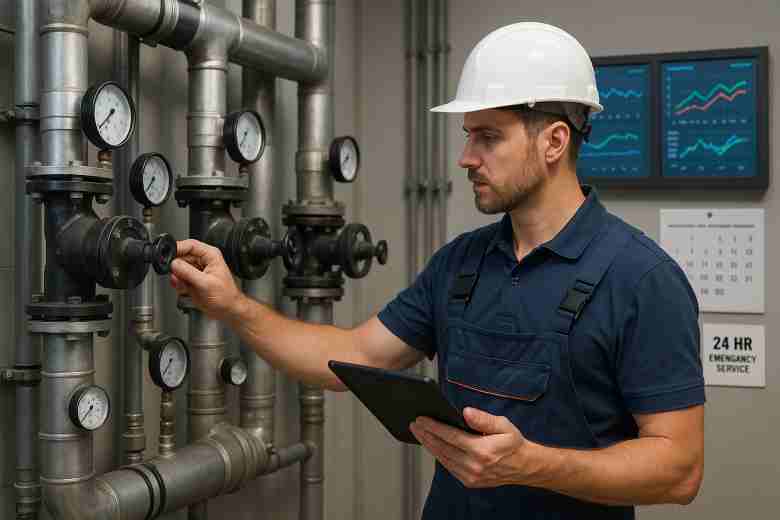
When a critical utility system in a large facility experiences a disruption, the impact is rarely confined to a single room or office. Whether it is a widespread water pressure drop in a multi-story building or a persistent drainage issue that threatens to halt daily operations, plumbing challenges in professional settings operate on a different scale than residential repairs. Because these systems are interconnected across complex layouts, managing them requires an approach that prioritizes system-wide health rather than merely addressing isolated symptoms.
The Complexity of Managing Systems in Large-Scale Environments
Large facilities, such as office complexes, manufacturing sites, and multi-unit residential buildings, rely on infrastructure that is designed for sustained, high-volume demand. When something goes wrong within these networks, the complexity often lies in the hidden architecture—the miles of piping, the intricate venting systems, and the integrated pump mechanisms that keep water moving correctly.
In many cases, the difficulty in maintaining these systems stems from the gradual nature of wear and tear. A minor shift in a foundation or the natural buildup of scale inside a primary supply line can slowly reduce efficiency over a long period. By the time a disruption becomes noticeable, it often involves several different sections of the building’s plumbing. Attempting to troubleshoot these issues without a comprehensive understanding of the entire system can lead to temporary fixes that do not resolve the primary cause. This is why many facilities managers and business owners rely on commercial plumbing contractors to manage long-term system integrity rather than waiting for an emergency to occur.
How Comprehensive Plumbing Repair Services Function
The process of handling a significant plumbing challenge typically begins with an assessment that looks at the entire facility’s utility layout. Unlike a standard repair that might focus on a leaking valve, a professional approach to plumbing repair often includes diagnostic steps such as camera inspections and pressure testing.
These techniques allow for a non-invasive look at the condition of internal piping. Technicians look for patterns that suggest widespread issues, such as uneven corrosion, hidden obstructions in main lines, or structural stresses that might have resulted from environmental changes. Once the diagnostic phase is complete, a clear plan can be formulated to address both the immediate malfunction and any underlying vulnerabilities. This proactive methodology is designed to minimize downtime, which is often a major concern for any entity that needs to maintain continuous service for clients or employees.
Key Factors That Influence System Performance
Several variables typically influence how long a plumbing system functions effectively. Understanding these factors is a common part of the consultative process between facility managers and their service providers:
- Usage Patterns and Volume: Systems that experience high-frequency use throughout the day require different maintenance schedules than those in lower-traffic areas. Predicting peak demand periods helps in scheduling preventive inspections.
- Material Compatibility: Over time, the materials used in original construction may react differently to changes in water chemistry or temperature. Identifying older sections of pipe that are reaching the end of their design life is a key aspect of preventive planning.
- Environmental Context: Buildings are often subject to external pressures, such as soil shifting or variations in the local water table, which can impact the stability of underground utility lines.
- Integration with Other Systems: Plumbing is rarely an isolated concern. It is often deeply connected to heating, cooling, and ventilation systems. Ensuring that all these components operate in harmony is essential for long-term efficiency.
When these factors are monitored, it is easier to move from a reactive maintenance model—where the goal is to fix what is broken—to a predictive model, where the focus is on maintaining reliability.
Practical Ways to Approach Maintenance and Repairs
When facing a plumbing situation, the most effective approach is to ensure that all parties have a shared understanding of the goals and the scope of the work. For decision-makers, this often involves asking the right questions before beginning any project.
It is helpful to ask a provider about their experience with similar facilities. Every building has a unique “personality” in terms of how its water and waste systems were installed, and a contractor who has worked in diverse environments is often better equipped to anticipate how a system might behave under pressure.
Additionally, establishing a routine maintenance schedule can be a helpful strategy. Rather than waiting for a noticeable failure, many facilities find that quarterly or bi-annual inspections provide peace of mind. During these visits, technicians can check for signs of moisture, test the performance of primary shut-off valves, and identify areas where mineral buildup might be impeding flow. This consistent oversight is a common strategy used by those who manage high-traffic spaces, as it allows for budgeting and planning well in advance of any necessary replacements.
When evaluating potential service partners, look for those who emphasize clear documentation. Having a record of previous inspections, the condition of the pipes, and a history of repairs can be invaluable for the long-term management of a building’s infrastructure. A reliable partner in commercial plumbing contractors will typically be willing to provide detailed reports on their findings, explaining the mechanism behind any suggested repairs and outlining how those repairs support the broader health of the building.
Taking a measured, systematic approach to maintenance not only reduces the likelihood of disruptive emergencies but also ensures that the internal infrastructure remains a stable foundation for the business operations that depend on it. Choosing to work with experienced professionals who prioritize diagnostic accuracy and long-term planning is a sensible way to protect the integrity of your facility.


